
Graham has been selected to deliver the Spokane County Crisis Relief and Sobering Center, a project that reflects a growing shift toward integrated, community-based approaches to behavioral health care.
Project Overview
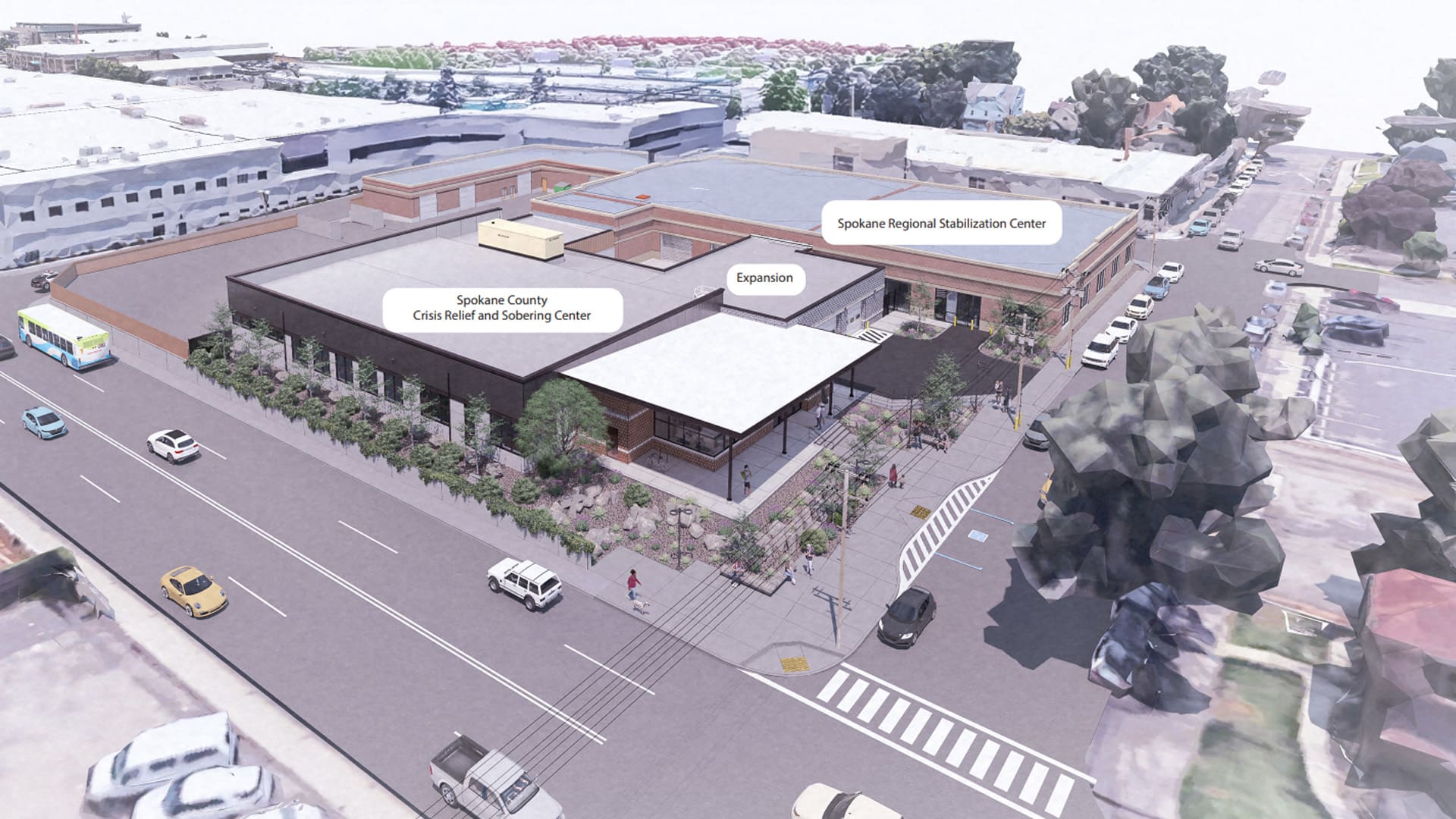
Located in Spokane, Washington, this Progressive Design-Build project is valued at approximately USD $13.8 million. Construction is scheduled to begin in April 2026, with completion targeted for June 2027. Graham will serve as both Design Manager and General Contractor.
Design Partners
The project is being delivered in collaboration with a multidisciplinary team, including Bernardo Wills Architects, Stantec, Apollo Mechanical / MW Engineers, Arc Electric / PAE Engineers, DCI, and True Edge.
Scope of Work
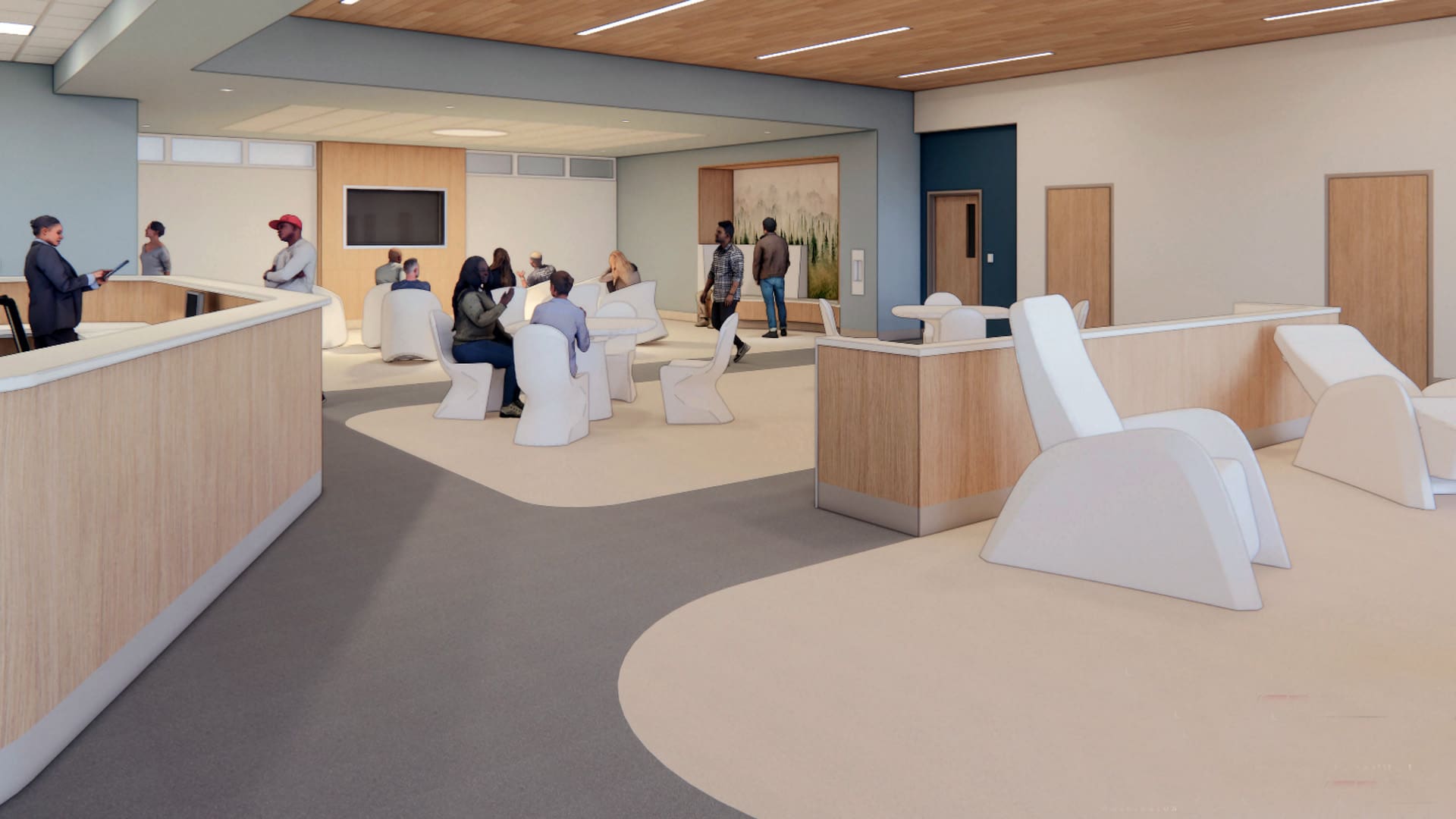
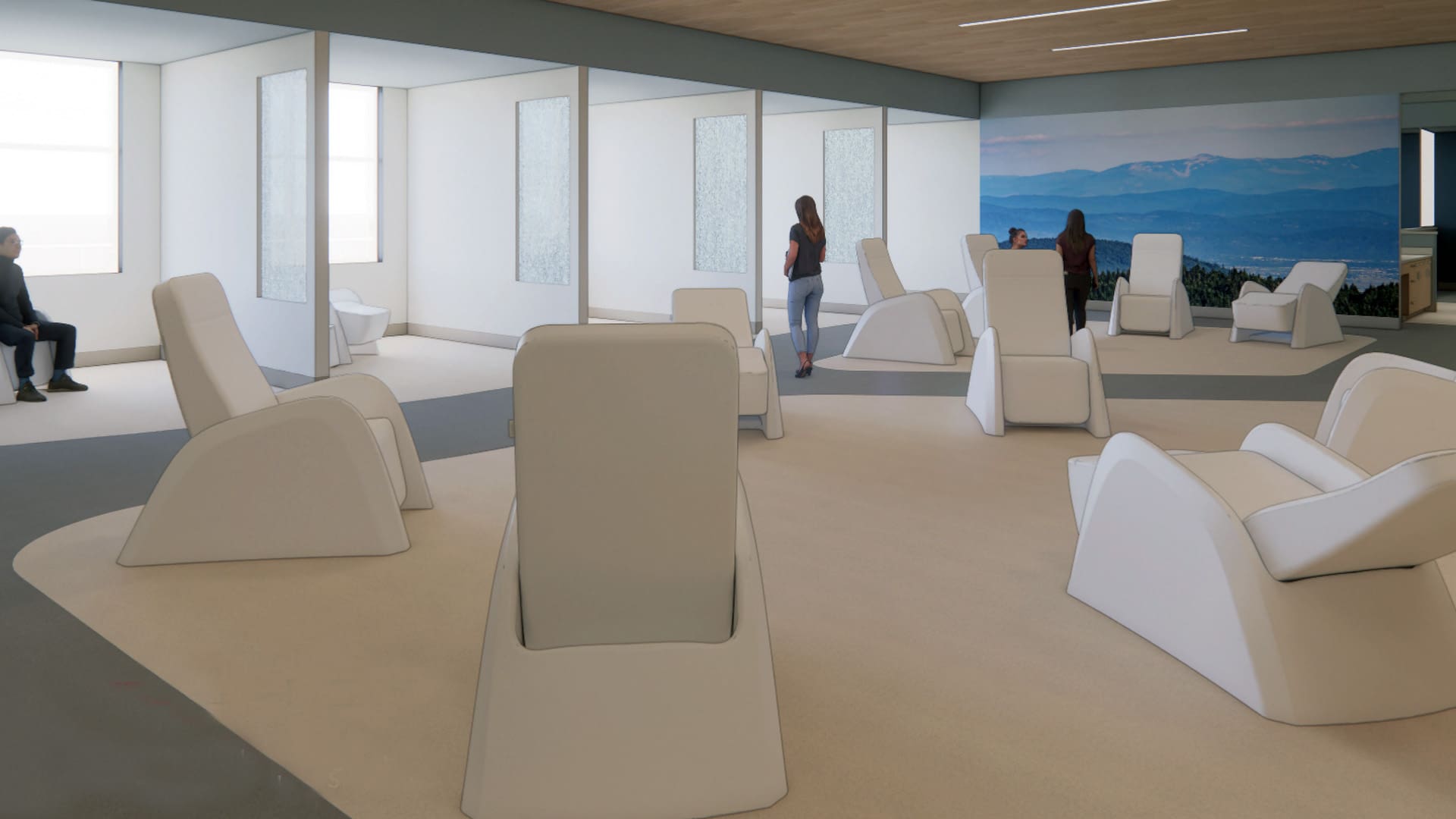
The project includes both renovation and new construction, culminating in a 17,000-square-foot Crisis Relief and Sobering Center. The facility is designed to support a broad range of services, including a public walk-in entrance, dedicated first responder drop-off, private clinical spaces, sobering rooms, treatment areas, and restroom and shower facilities.
Integrated staff observation stations and a secure intake process are incorporated throughout the design to support safe, efficient operations for both patients and care providers.
Supporting a New Model of Care
The facility will operate on a 24-hour, no-refusal basis, ensuring immediate access to care for individuals in crisis. Designed to accommodate both voluntary walk-ins and coordinated first responder drop-offs, the center represents a meaningful evolution from traditional intake models.
By consolidating crisis stabilization, sobering services, and clinical treatment into a single location, the project will enhance care coordination, reduce response times, and help ensure individuals receive appropriate care more efficiently.
Community Impact
This facility will play an important role in Spokane County’s broader behavioral health and public safety strategy. By providing an alternative destination for individuals experiencing crisis, it will help reduce reliance on emergency departments and correctional systems, allowing those resources to focus on higher-acuity needs.
The project builds on the success of the County’s existing Stabilization Center and Alternatives to Incarceration program, which has supported thousands of individuals since its inception. More broadly, it reflects a national movement toward integrated crisis response models that prioritize treatment over incarceration, positioning Spokane County at the forefront of this evolving approach.
Learn more about Graham’s expertise delivering healthcare facilities – Constructing for Care: Delivering Modern Healthcare Facilities