When you step back and look at Canada’s defence and security landscape, one thing becomes clear: it requires resilient, purpose-built infrastructure behind it. These aren’t just buildings. They’re highly specialized environments, along with the supporting systems around them, that need to perform every single day, often under pressure, and without fail.
That expectation isn’t new. During WWII, Graham constructed and expanded numerous military aviation training schools throughout the Prairies. The company also helped build the Colonel Belcher Military Hospital in Calgary, supporting critical care infrastructure at a time when reliability and speed were essential. Decades later, in 1991, the building was designated as a long-term care facility for veterans. This reflects a long-standing track record of delivering facilities where performance and operational continuity matter most.
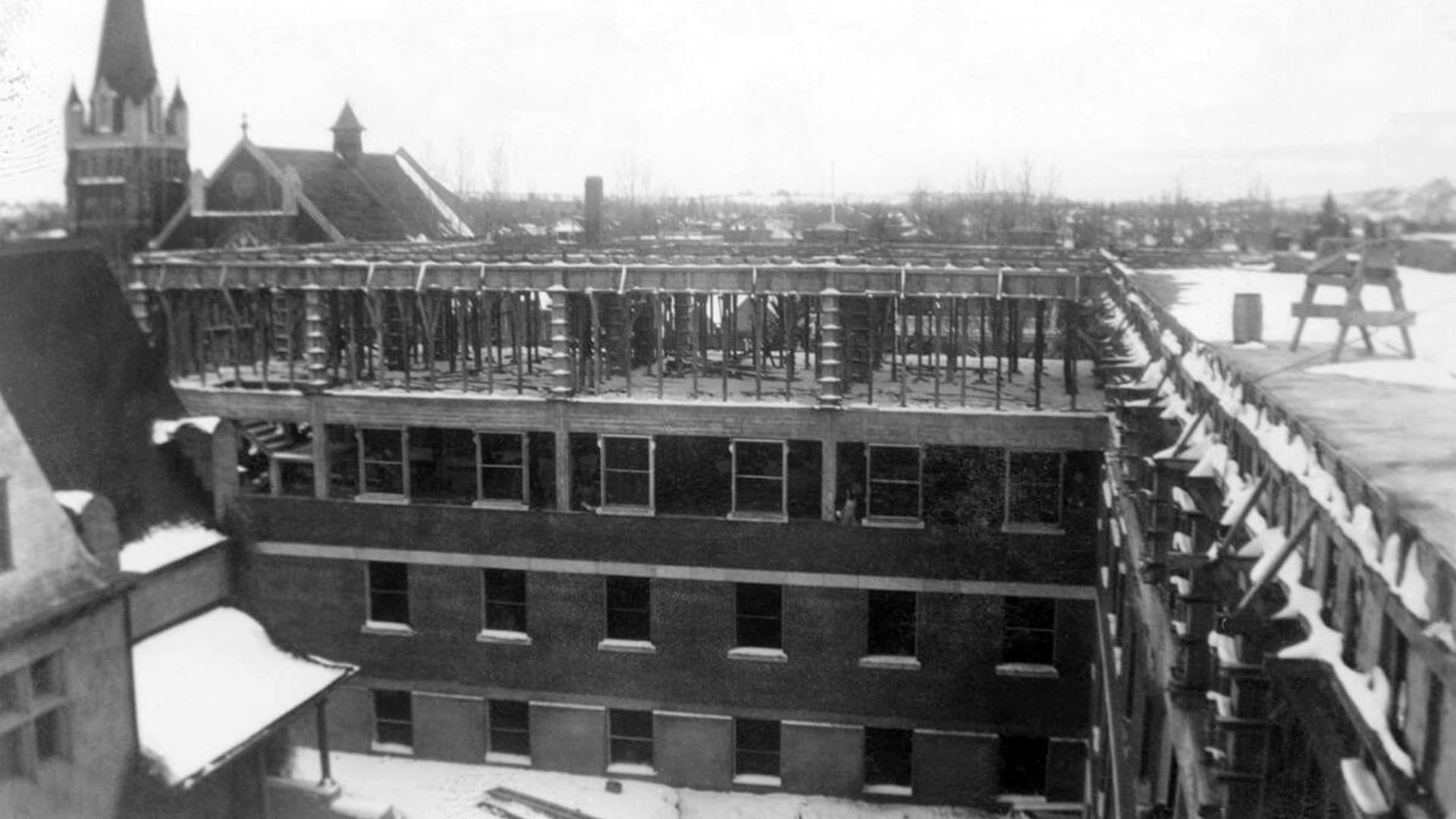
During WWII the company helped build the Colonel Belcher Military Hospital in Calgary, AB
That’s where the idea of “purpose-built” really matters. Facilities need to be designed around how they’re used, how people move through them, how equipment is deployed, how operations run in real time. At the same time, they need to connect seamlessly to the infrastructure that supports them, from utilities and access routes to broader operational networks. It’s not theoretical. It’s practical, and it must work.
Graham’s experience in this space comes from delivering complex, highly controlled projects like the CFB Trenton Maintenance and Operations Hangar No. 2, the Canadian Forces Military Police Academy, and the RCMP Fort Walsh Dorm. Add to that projects like the Clarington Police Complex and the YVR Airside Operations Building, and you start to see a pattern: facilities built for performance, supported by infrastructure designed to keep operations running smoothly.
Purpose-Built Facilities to Support Capabilities
At the core of defence environments is a simple idea: the facility has to support the mission.
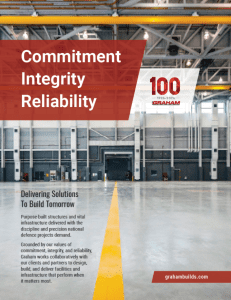
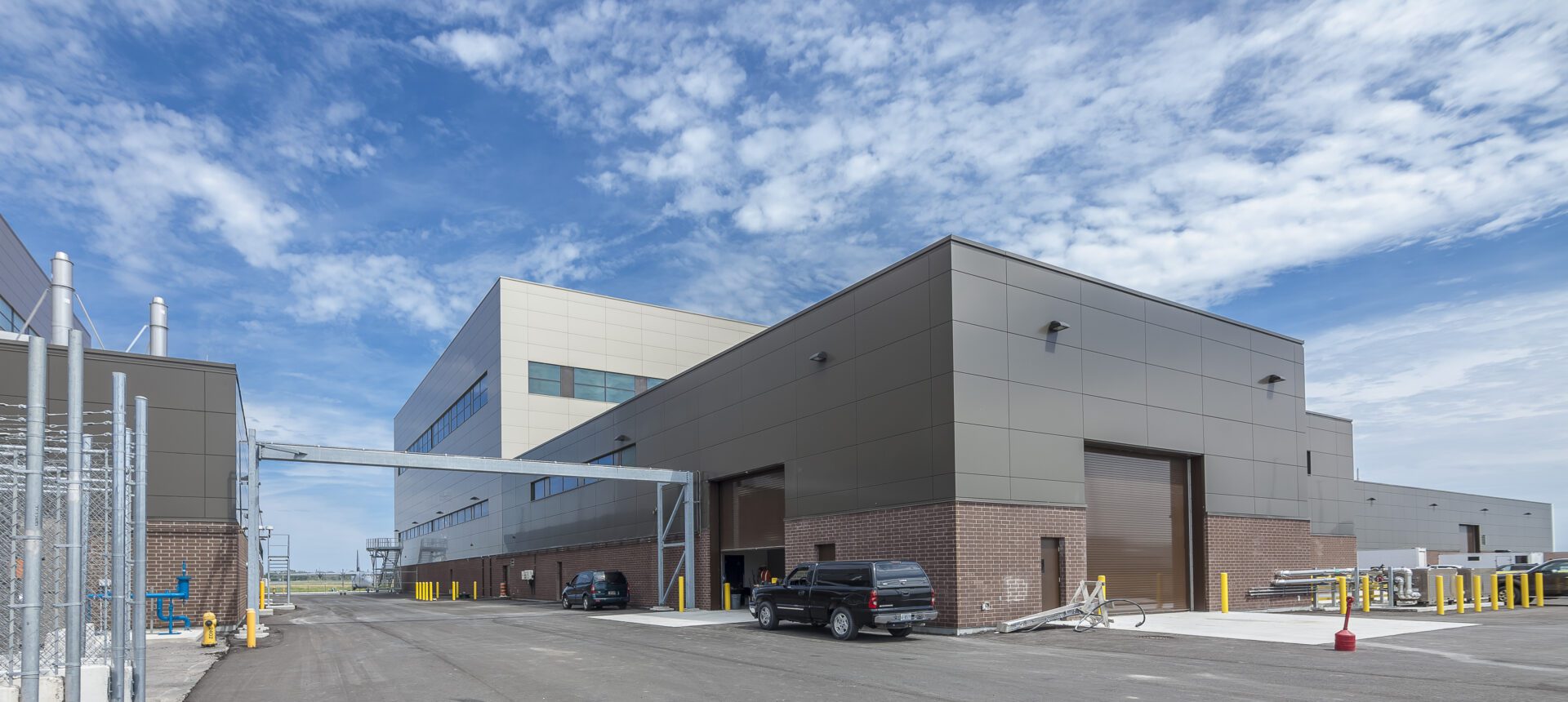
Take the CFB Trenton Hangar No. 2, for example. A hangar like that isn’t just about enclosing space. It’s about supporting the maintenance of the Royal Canadian Air Force’s CC-130J Super Hercules aircraft within a large-scale, approximately 125,000-square-foot, two-bay facility. The building integrates with an additional 48,000 square feet , with systems coordinated to accommodate large aircraft and the workflows required to maintain them. Every element is aligned with how crews operate day to day. It’s a highly coordinated environment where nothing can feel like an afterthought.
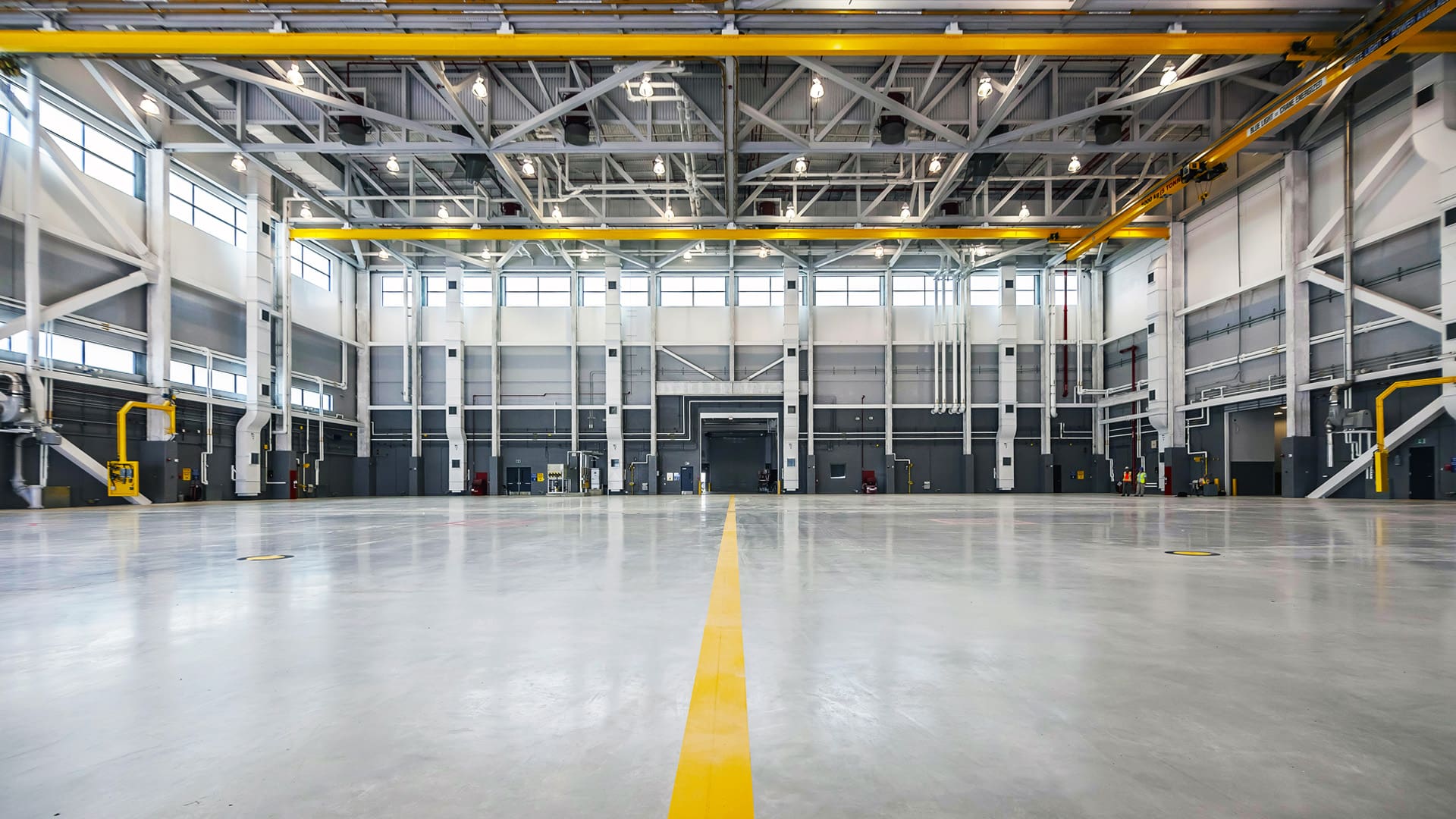
CFB Trenton Hangar No. 2
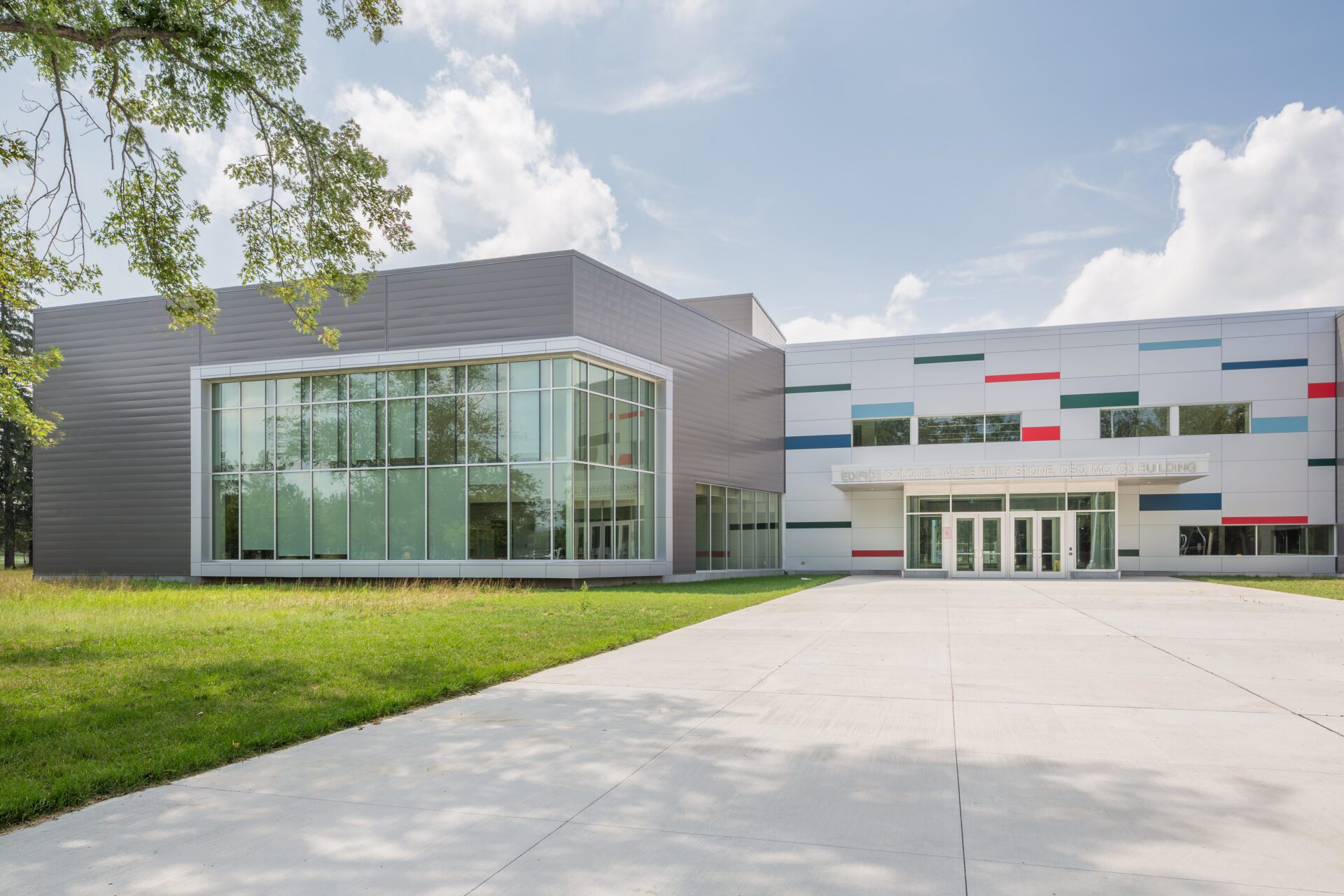
Then there’s the Canadian Forces Military Police Academy. Completely different use case, but the same principle applies. Training facilities like this need to feel real. That means simulation rooms, forensic labs, shooting ranges, and flexible teaching spaces all working together. It’s not just about learning. It’s about preparing people for real-world situations.
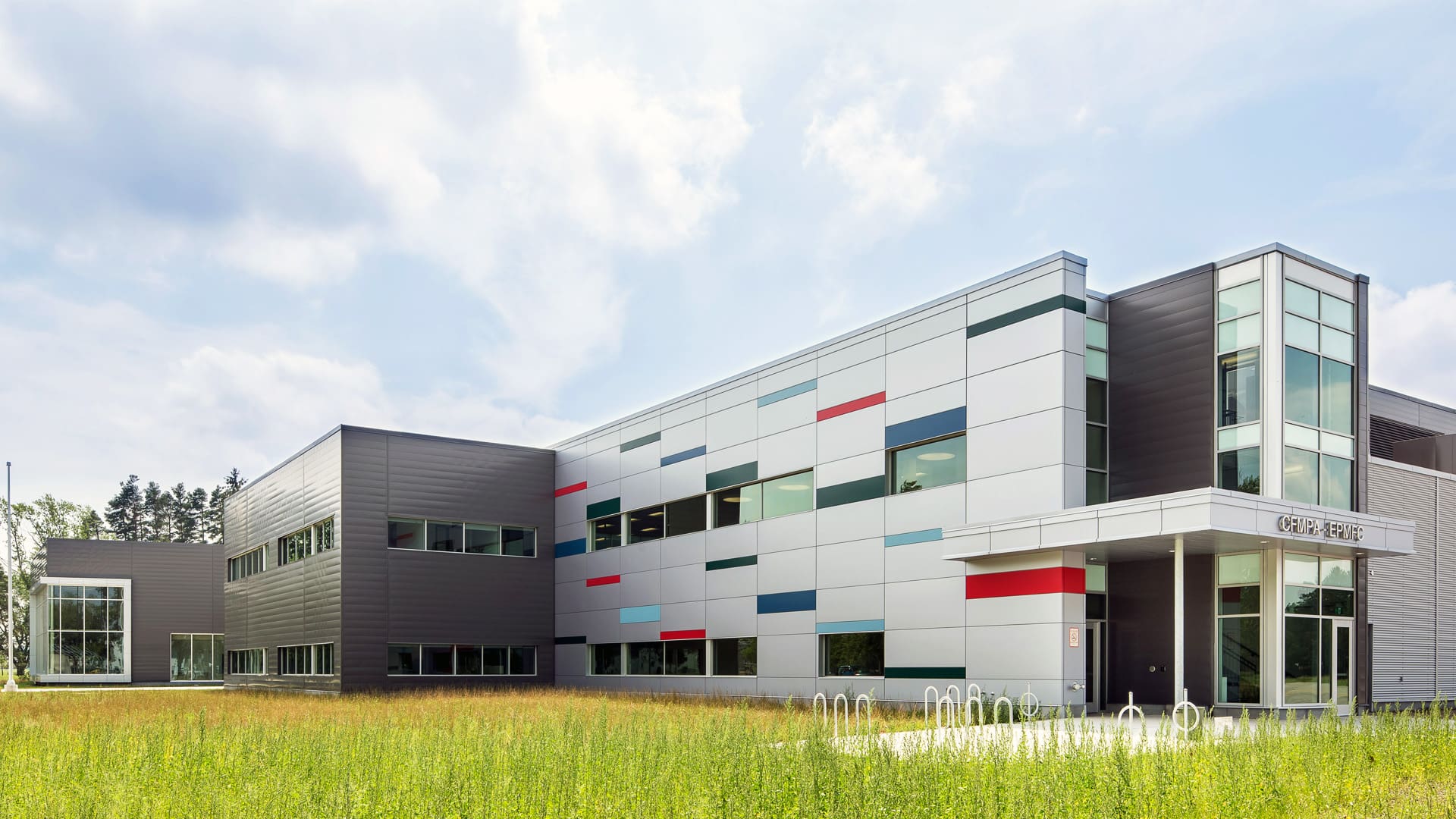
Canadian Forces Military Police Academy
As Raegan Wheler, Director, Defence Sector at Graham, explains, “defence facilities have to be built around how they’re actually used day to day. Whether it’s a hangar or a training centre, the goal is the same: making sure the space supports the people and the work happening inside it.”
Secure Environments and Controlled Construction
Now layer in security, and things get more complex.
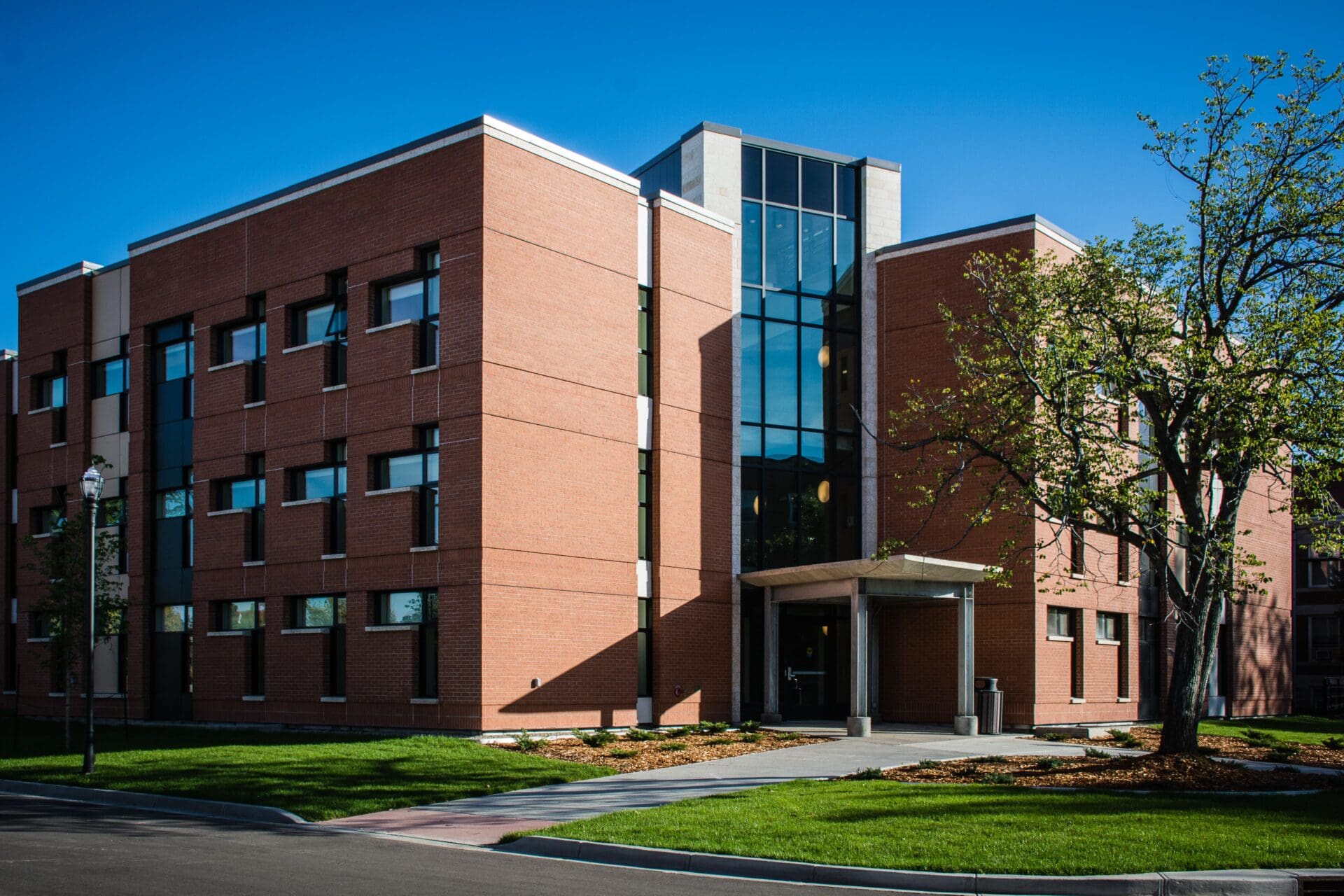
It’s not just the finished facility that has to meet strict requirements. The construction process does too. Working on sites like the RCMP Fort Walsh Dorm means dealing with controlled access, background checks, and tight oversight from day one. You don’t just show up and start building. Every step is managed.
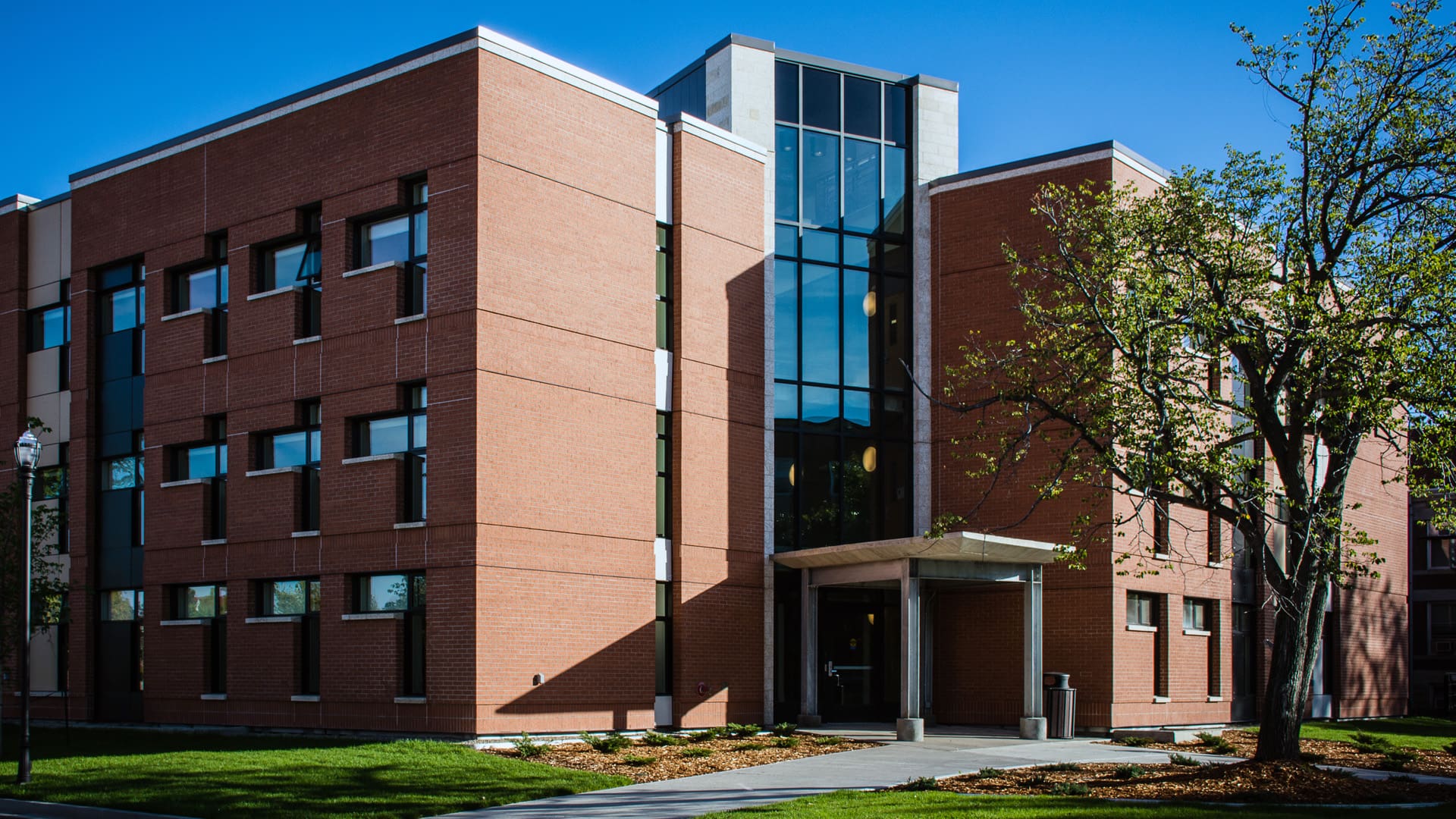
RCMP Fort Walsh Dorm
The same goes for projects like the Canadian Forces Military Police Academy, where construction had to happen alongside active training operations. That kind of environment doesn’t leave much room for disruption.
And then there’s the Stony Mountain Institution Maximum Security Unit. Building inside an existing correctional facility raises the bar even further. Materials, detailing, sequencing, it all must meet strict security standards. Even finishes matter. Surfaces need to be seamless, durable, and tamper resistant. There’s a level of precision here that’s hard to overstate.
“Working in secure environments changes how you approach everything. Planning, access, sequencing, it all has to be tightly controlled. You’re building to a different standard, and there’s no room for shortcuts,” Wheler notes.
Integrated Systems and Resilient Infrastructure
Modern defence facilities don’t operate in isolation. They rely on integrated systems and supporting infrastructure to function as intended.
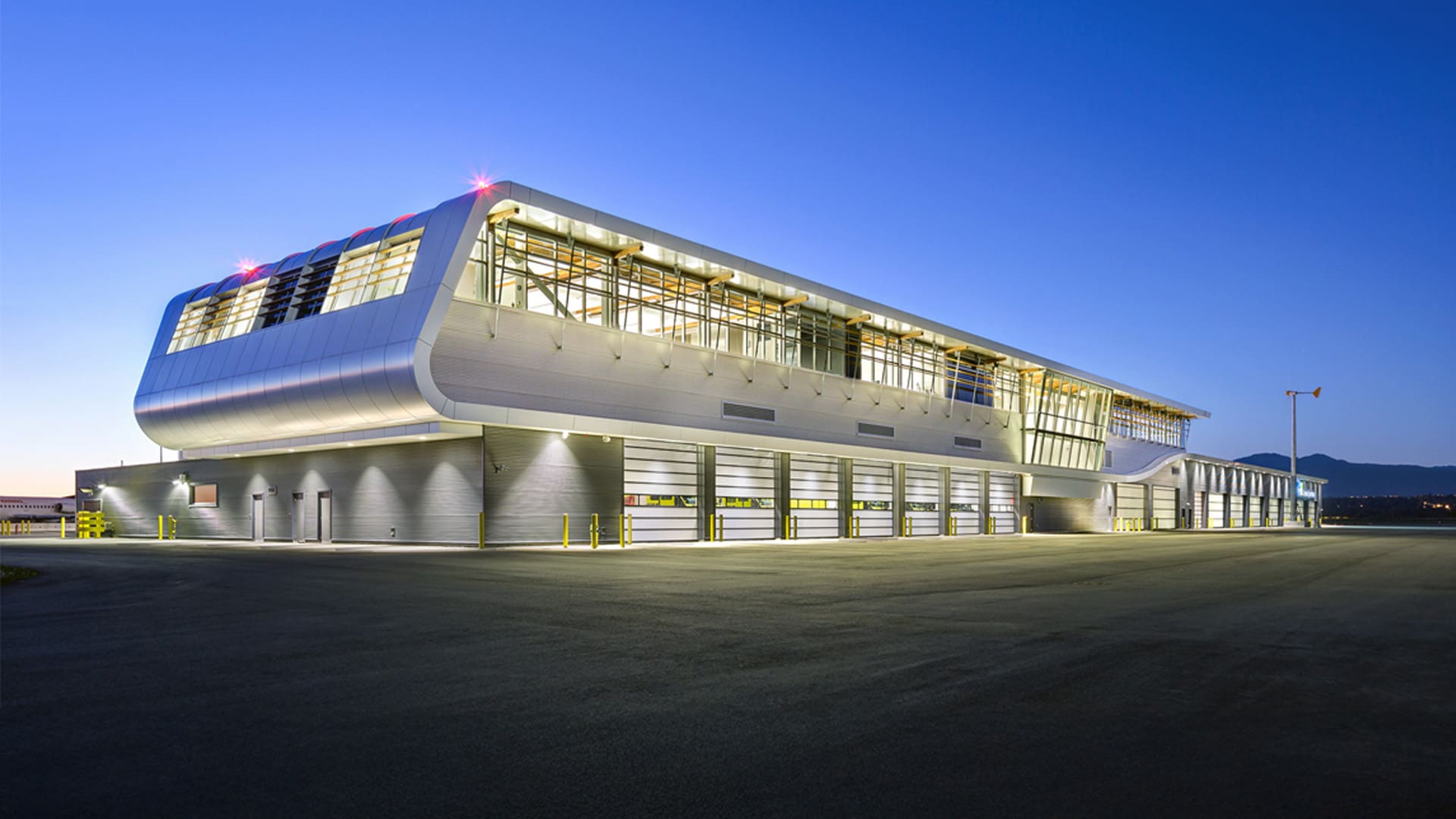
Think about a building like the YVR Airside Operations Building. It’s designed to keep functioning during critical events, which means backup power, integrated communications, and strong connections to surrounding airfield infrastructure. Everything is built with resilience in mind.
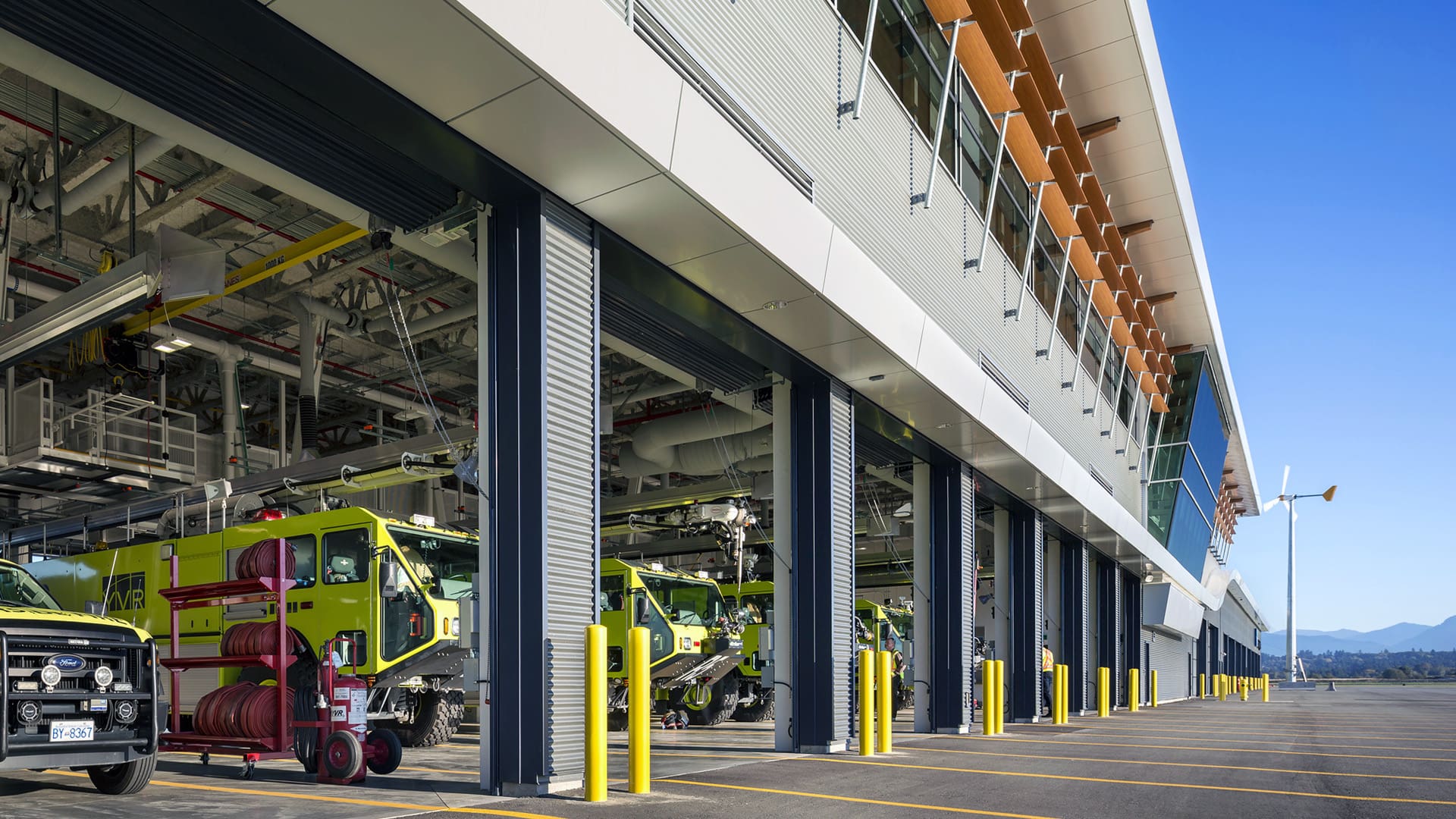
YVR Airside Operations Building
The Clarington Police Complex shows a similar idea from a different angle. You’ve got investigative spaces, operational areas, and administrative functions all under one roof. That only works if the building systems, and the infrastructure that supports them, are fully coordinated.
At this level, it’s less about individual components and more about how everything works together.
“Resilience isn’t something you add at the end. It’s built into the project from the start. Systems, structure, operations, they all need to work together so the facility can perform when it matters most,” Wheler explains.
Working Alongside Government and Defence Stakeholders
Projects like these don’t happen in isolation. There are layers of oversight, standards, and stakeholder input that shape how they’re delivered. This ensures the facilities provide the necessary capabilities to support the mission, while also protecting national security from design through to construction and operations.
Working with partners like the Department of National Defence or Public Services and Procurement Canada means aligning with very specific processes. There’s a strong emphasis on transparency, coordination, and getting the details right, not just during construction, but across the full lifecycle of both facilities and the infrastructure that supports them.
It’s collaborative by necessity. And it works best when everyone is aligned early.
Supporting Canada’s Defence Priorities
With renewed federal focus and investment in defence through organizations like the Department of National Defence and Defence Construction Canada, the scale and pace of infrastructure delivery across the sector is evolving. As Wheler explains, “As procurement activity increases, there is a growing need for partners who understand not only how to build these facilities, but how to deliver them within complex, highly regulated environments.” Graham is well positioned to contribute to Canada’s next phase, bringing experience that aligns with the expectations of both DND and DCC as they advance critical assets across the country.
This shift places greater emphasis on delivering more than standalone buildings. Facilities must be reliable, adaptable, and built to perform over time, supported by infrastructure that ensures continuity of operations in demanding conditions.
With experience across these projects and similarly complex operational environments, Graham brings a practical, grounded understanding of what it takes to deliver integrated, purpose-built environments that support people, protect assets, and perform as intended over the long term.

CONTACT
Raegan Wheler
Director, Defence Sector
raegan.wheler@graham.ca