Capacity, power, and speed to market dominate most conversations about data centers because they’re the numbers everyone sees first. What gets less attention is the reality of delivering one of these facilities over several years while designs evolve, priorities change, and dozens of organizations work toward the same goal.
Data centers are delivered over years, not months. They bring together owners, designers, contractors, trade partners, suppliers, and utility providers in a setting where decisions stack up quickly and small issues can affect a much larger chain of work. The infrastructure matters, but so does the way people work together while the project is being planned, built, commissioned, and brought online.
The project types may be different, but many of the same challenges show up again and again. Different clients face different technical requirements, but bringing complex systems, schedules, and stakeholders together remains a common thread.
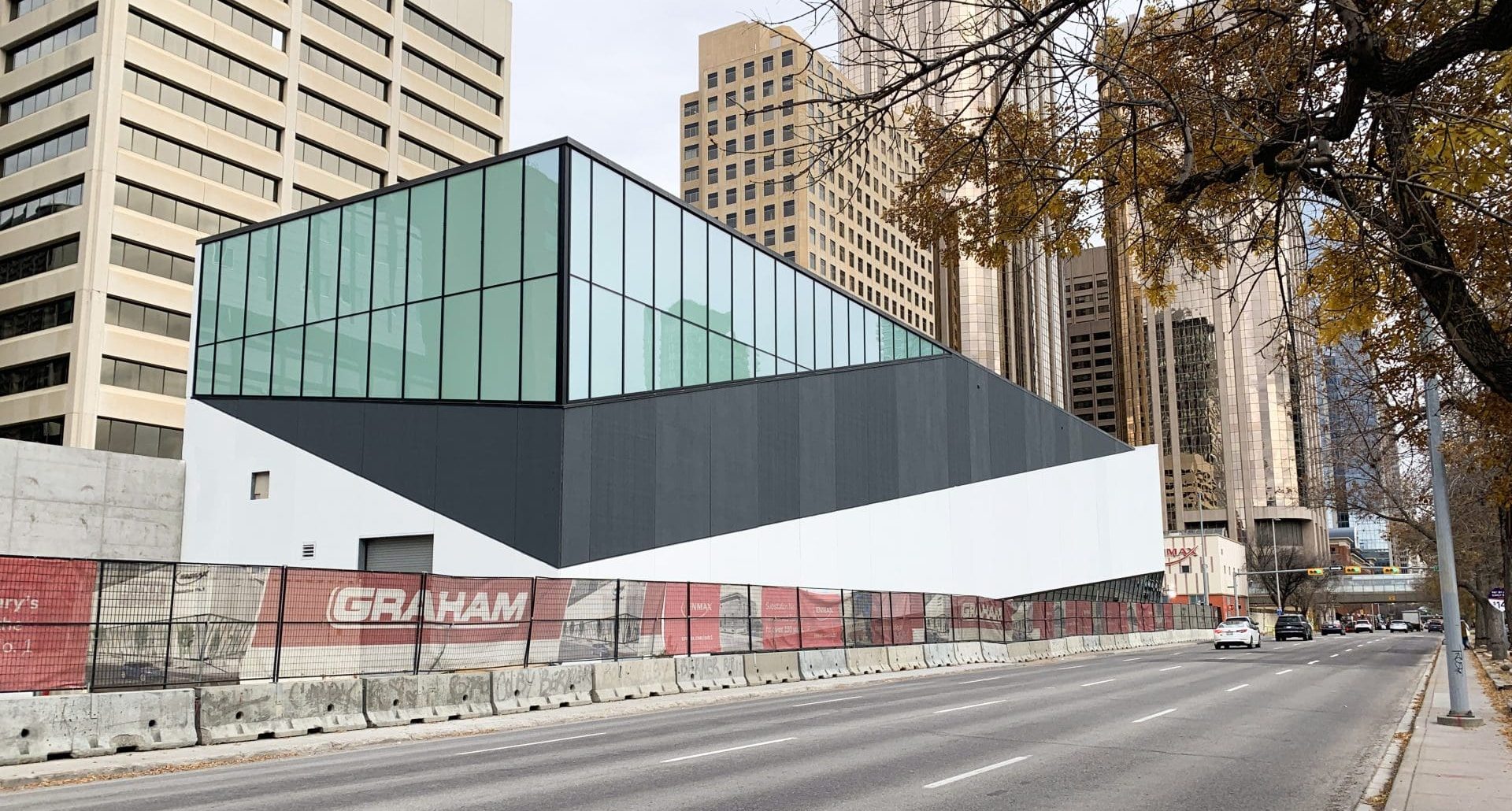
Enmax Substation
What Complex Projects Have in Common
Large construction projects rarely unfold exactly as planned, and data centers are no exception. Designs change, long-lead equipment moves around, and owners continue refining operational requirements as the work progresses. A strong plan still matters, but complex projects rarely follow a perfectly predictable path, which is why the ability to respond quickly and keep work moving often becomes just as important as the plan itself.
Erik Petersen, Director of Business Acquisition, often hears that concern from clients. “When you are out talking to clients, a lot of the conversation comes back to how skilled trades are attracted and how the work is actually getting done. Coordination, schedule, making sure things don’t slip once construction starts. That is where projects tend to succeed or where they start to run into issues.”
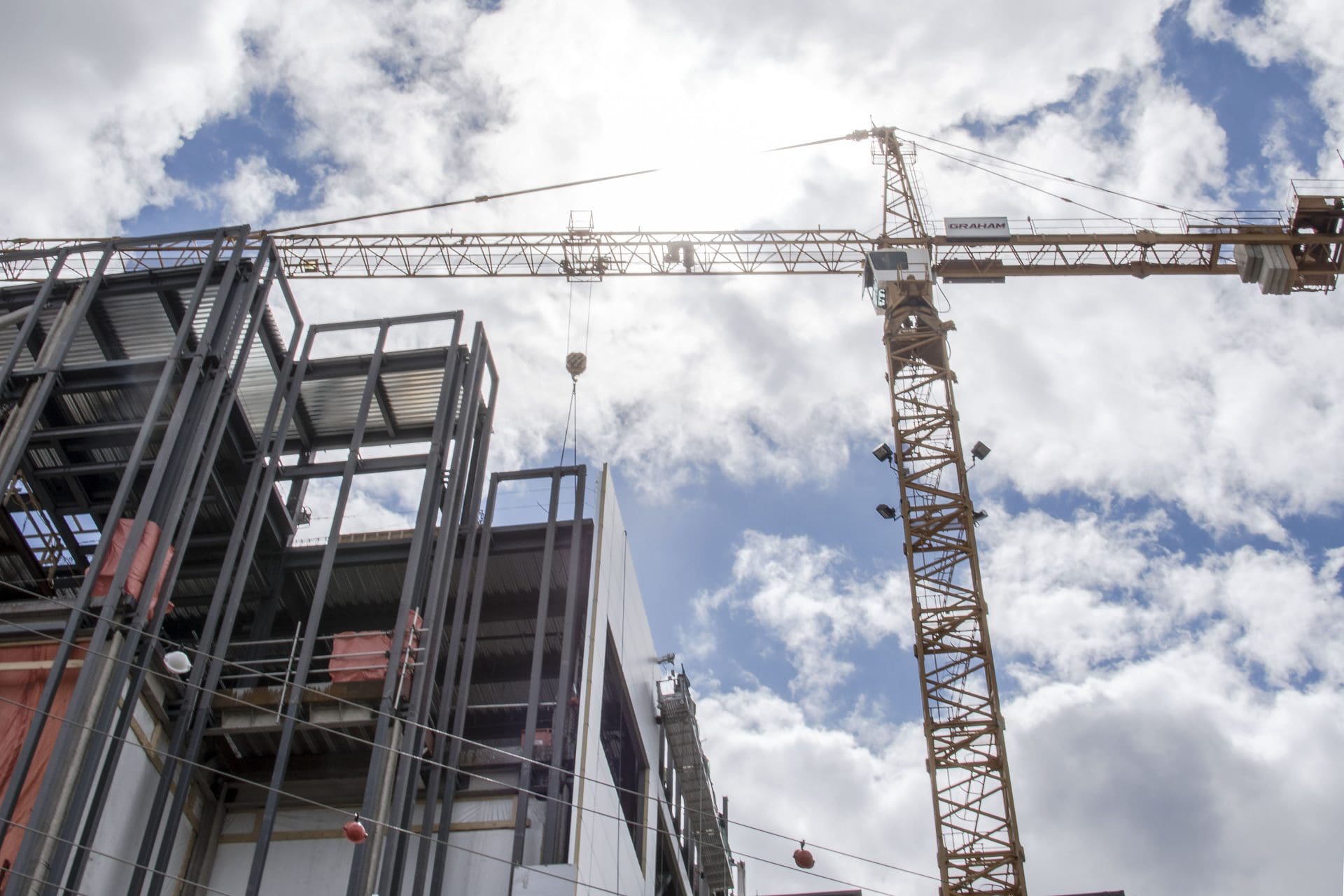
API Gilead Process Tower
Lessons from Our Work
Many of the challenges associated with data center delivery also appear in other complex environments where technical systems, infrastructure, and operations need to function together without disrupting the broader purpose of the facility.
At a biopharma campus in Redwood City, California, XL Construction, a Graham Group Company, helped PDL Biopharma consolidate operations into two existing five-story buildings totaling 420,000 square feet. The project included laboratories, process systems, clean manufacturing environments, new service yard infrastructure, and a 10,000-square-foot data center. Delivered ahead of schedule and under budget, the work required multiple technical environments to come together while supporting the client’s broader operational goals.
At Lawrence Berkeley National Laboratory’s National Energy Research Scientific Computing Center, the challenge looked different. Our team expanded power and cooling capacity to support next-generation high-performance computing through new cooling towers, pumps, heat exchangers, substations, and electrical distribution equipment. Projects like NERSC are a reminder that a facility’s performance depends on much more than the building itself. The infrastructure supporting it has to function as part of a larger, integrated system.
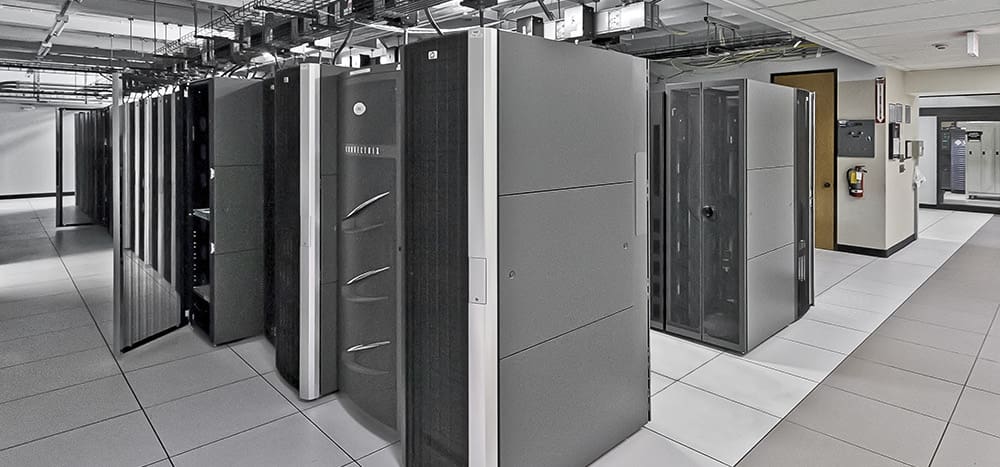
USPS Data Center
At Vancouver International Airport, the challenge centered on delivering major renovations, infrastructure upgrades, baggage system improvements, and technology-driven operational enhancements within a fully operational, high-security environment. The work required coordination among airport operations, designers, contractors, utility providers, regulators, and numerous other stakeholders while critical systems remained in service. Although the project was not a data center, it involved many of the same considerations that influence complex technical projects: operational continuity, infrastructure integration, detailed phasing, stakeholder alignment, and the ability to adapt as requirements evolved.
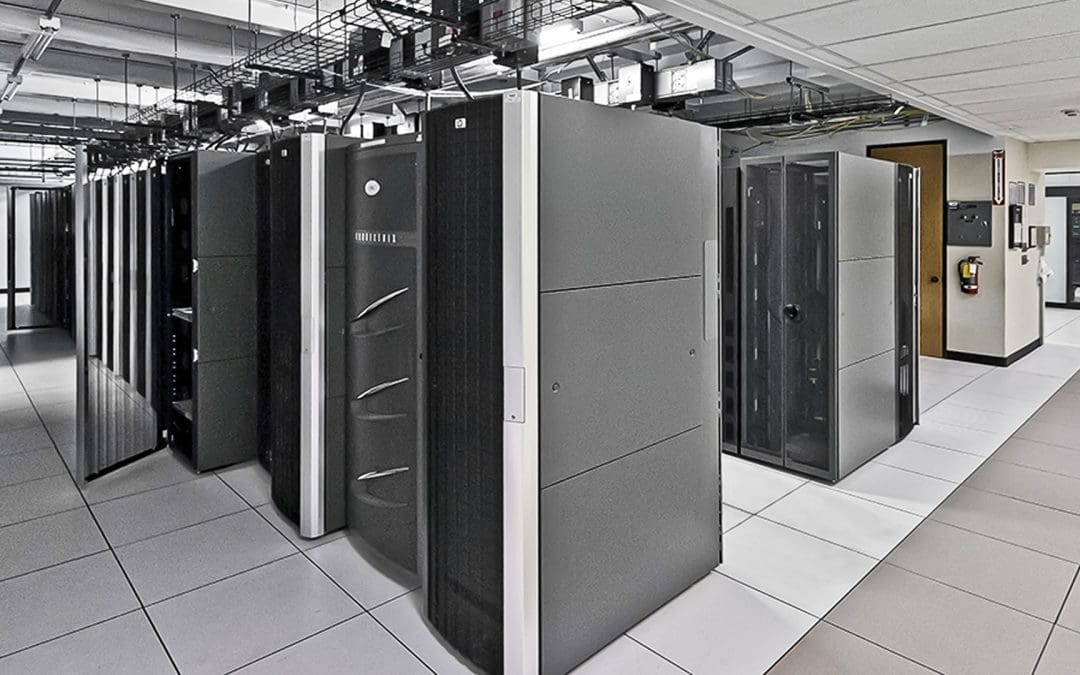
Not every challenge is tied to new infrastructure. During an expansion of the United States Postal Service data center, the team upgraded cooling systems, added rack-level monitoring, and modernized supporting infrastructure while maintaining ongoing operations. Reliability could not wait until turnover. It had to be maintained while the upgrades were underway, requiring the team to balance improvement work with the operational needs of the facility every day.
A major data center consolidation effort in Sunnyvale, California, created another challenge altogether. Multiple data rack labs and testing environments were brought together into adjacent facilities while office space was converted into technical environments and plans were developed for future growth, increased cooling capacity, and utility upgrades.
Projects like these force teams to make decisions that affect not only the work happening today, but how the facility will operate years after construction is complete.
The Part That Often Gets Overlooked
Power, cooling, and capacity planning tend to dominate discussions about data centers, yet projects of this scale involve far more than technical systems. Over the course of several years, priorities shift, issues surface, and decisions need to be made with information that is often incomplete or still evolving.
While technical problems can usually be solved, the greater challenge is often how quickly teams can respond, adjust course, and keep the project moving forward. On projects of this scale, delays are rarely caused by a single issue. More often, they develop when decisions stall, information gets disconnected, or different parts of the project begin moving in different directions.
When everyone is working toward the same goal and understands what needs to happen next, projects tend to keep moving.
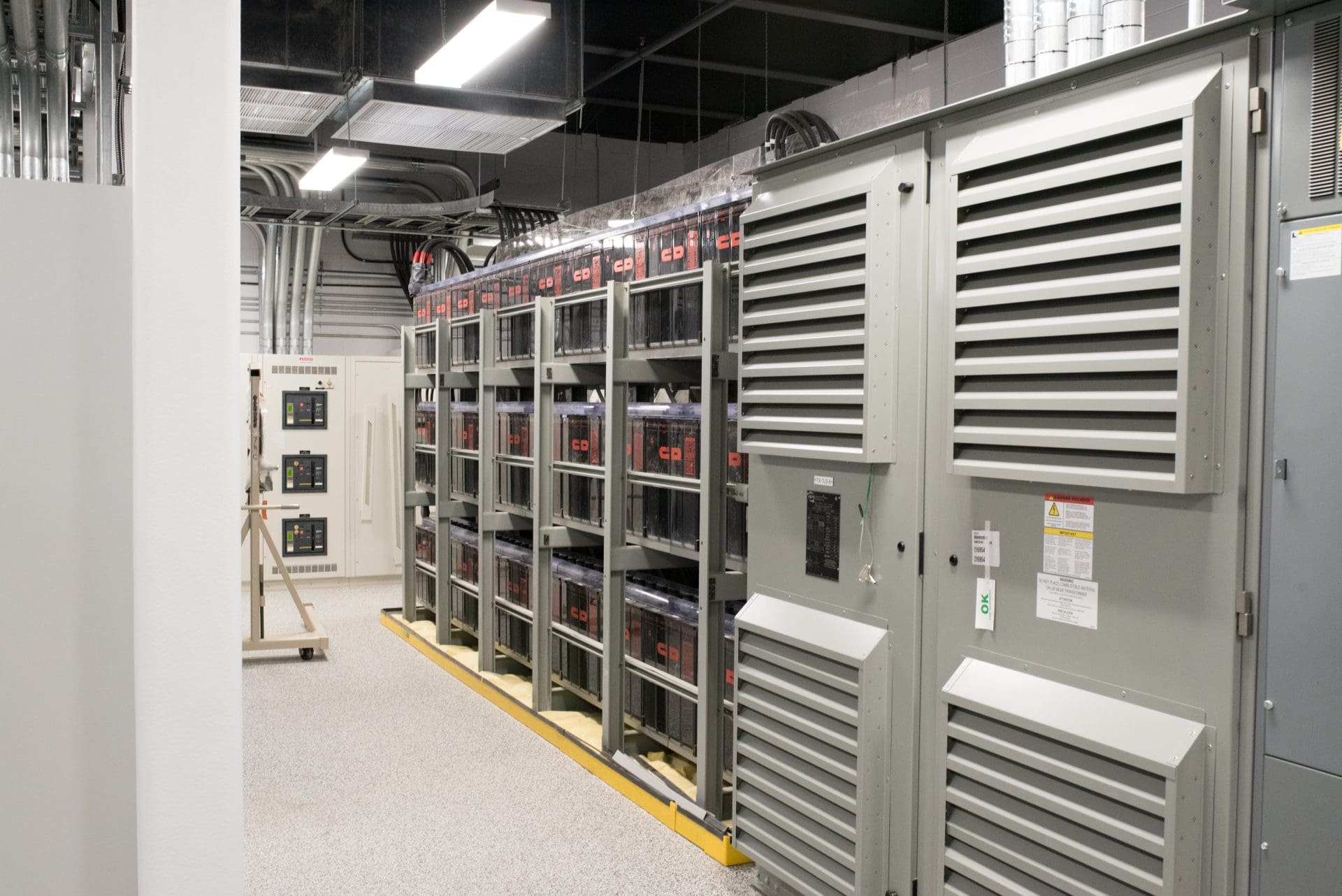
66th Street Warehouse Tier III Data Center
Building for a Growing Sector
Demand for digital infrastructure continues to grow across North America, creating new opportunities in data centers, semiconductor facilities, and advanced manufacturing environments.
Scott Rugen, Vice President of Advanced Technology, sees the same connection between technical planning and project delivery. “When you look at where this work is going, especially in markets where growth is happening quickly, everything comes back to how well the systems are planned and coordinated upfront. Power, cooling, distribution all must work together from day one.”
The technology supporting these facilities will continue to evolve as power requirements increase, cooling strategies advance, and new demands emerge across the sector.
Looking across projects like PDL Biopharma, NERSC, the USPS data center expansion, and the Sunnyvale consolidation effort, what stands out is how different the challenges were from one project to the next. One focused on integrating laboratories, manufacturing space, and a data center, while another centered on expanding power and cooling capacity for high-performance computing. Others required major upgrades while active operations continued around the work.
While the technical details varied from project to project, each one required teams to understand how the facility would ultimately operate and make decisions throughout the project that supported that end goal.

CONTACT
Scott Rugen
Vice President, Advanced Technology
scott.rugen@grahamus.com
For more information, download the following brochures:
Learn more about Graham’s expertise delivering Advanced Technology facilities – Data Center Retrofits: Key Considerations for Extending Facility Life